
Taking control of your financial future is one of the most empowering steps you can take. But let’s be honest: finance can often feel intimidating, complex, or just plain boring. Thankfully, the world of audiobooks offers a dynamic and accessible way to learn from top financial experts, absorb timeless wisdom, and gain actionable strategies—all while you commute, exercise, or tackle your daily tasks.
As an expert who has logged countless hours listening to financial advice, from foundational principles to cutting-edge behavioral insights, I understand the crucial role narration plays. A clear, engaging, and authoritative voice can demystify complex concepts like investing or budgeting. An author narrating their own proven system can instill confidence and motivation. The right audiobook doesn’t just inform; it inspires action and builds financial literacy.
But with a vast array of finance audiobooks promising wealth and wisdom, how do you separate the truly valuable from the merely repackaged or, worse, the misleading? Which titles offer sound, credible advice delivered in a way that resonates and sticks? Which narrators possess the clarity and engagement needed to make potentially dry subjects compelling?
Drawing on our deep expertise in audio content and financial literacy resources, we’ve meticulously evaluated the options. This list presents the **10 best finance audiobooks** specifically chosen for their impactful content and exceptional audio delivery. We’ve focused on titles that provide actionable strategies, build foundational knowledge, and offer insightful perspectives, all brought to life by outstanding narrators. Get ready to invest in yourself—your financial education starts now.
Our Top 10 Finance Audiobooks (Quick Picks)
| Rank | Title | Author | Focus Area | Narrator(s) |
|---|---|---|---|---|
| 1 | Rich Dad Poor Dad | Robert T. Kiyosaki | Mindset / Financial Literacy | Tim Wheeler |
| 2 | The Total Money Makeover | Dave Ramsey | Debt Reduction / Budgeting | Dave Ramsey |
| 3 | I Will Teach You To Be Rich | Ramit Sethi | Personal Finance System / Automation | Ramit Sethi |
| 4 | The Psychology of Money | Morgan Housel | Behavioral Finance / Mindset | Chris Hill |
| 5 | Atomic Habits (Finance Application) | James Clear | Habits / Financial Behavior | James Clear |
| 6 | The Simple Path to Wealth | JL Collins | Investing / Financial Independence | JL Collins & Cori Samuel |
| 7 | Your Money or Your Life | Vicki Robin & Joe Dominguez | Financial Independence / Frugality | Vicki Robin |
| 8 | Thinking, Fast and Slow (Finance Application) | Daniel Kahneman | Behavioral Economics / Decision Making | Patrick Egan |
| 9 | The Intelligent Investor | Benjamin Graham | Value Investing / Fundamentals | Scott Lange / Jason Zweig (commentary) |
| 10 | A Random Walk Down Wall Street | Burton G. Malkiel | Investing / Index Funds / Market Theory | Tom Dheere |
The 10 Best Finance Audiobooks: A Detailed Review
1. Rich Dad Poor Dad: What the Rich Teach Their Kids About Money That the Poor and Middle Class Do Not!

Why It’s a Must-Listen
For decades, *Rich Dad Poor Dad* has been a controversial but undeniably influential force in personal finance, challenging conventional wisdom about money, work, and wealth building. Its core message emphasizes financial education, acquiring assets, and developing an entrepreneurial mindset. Narrator Tim Wheeler delivers Kiyosaki’s conversational, story-driven lessons with clarity and energy, making this foundational text on financial thinking highly engaging in audio.
The Core Concepts
Framed around the contrasting financial philosophies of Kiyosaki’s biological father (the “Poor Dad,” an educated employee) and his best friend’s father (the “Rich Dad,” a school dropout turned successful entrepreneur), the book argues that traditional education often fails to teach crucial financial literacy. Key concepts include: the difference between assets (which put money in your pocket) and liabilities (which take money out), the importance of financial intelligence over just earning a high income, why the rich don’t work for money (they make money work for them), overcoming fear and self-doubt, and the power of entrepreneurship and investing.
The Performance (Expert Analysis)
Tim Wheeler provides a clear, professional, and engaging narration that effectively conveys Kiyosaki’s straightforward, anecdotal style. His voice is pleasant and authoritative, making the core financial concepts easy to understand. He reads with a good pace, keeping the listener engaged through the illustrative stories of the “two dads.”
Wheeler successfully captures the book’s motivational and slightly contrarian tone without being overly dramatic. He handles the dialogue and the direct financial lessons with equal clarity. While some critique Kiyosaki’s specific advice or the literal truth of the “Rich Dad” figure, the audiobook effectively delivers the powerful *mindset shift* the book advocates for—thinking like an owner and investor rather than just an employee. Wheeler’s narration makes these influential, though sometimes debated, ideas accessible and thought-provoking. This is a key starting point, often discussed alongside titles in our personal development list.
Who It’s For:
Anyone seeking a fundamental shift in their mindset about money, wealth building, and financial education. Particularly impactful for those new to personal finance concepts or considering entrepreneurship.
2. The Total Money Makeover: A Proven Plan for Financial Fitness

Why It’s a Must-Listen
Dave Ramsey’s no-nonsense approach to getting out of debt and building wealth has inspired millions. *The Total Money Makeover* lays out his famous “Baby Steps” in a clear, motivating, and often tough-love manner. Hearing Ramsey narrate his own proven plan adds an incredible layer of conviction and urgency. His distinctive voice and passionate delivery make this practical guide feel like a personal coaching session.
The Core Concepts
Ramsey advocates a straightforward, behavior-focused plan for achieving financial peace. He rails against debt culture and promotes living on less than you make. The core of the book is the seven “Baby Steps”: 1. Save $1,000 emergency fund. 2. Pay off all debt (except the house) using the debt snowball method. 3. Save 3-6 months of expenses in a fully funded emergency fund. 4. Invest 15% of household income for retirement. 5. Save for children’s college funds. 6. Pay off your home early. 7. Build wealth and give generously. He busts common money myths and provides practical tools for budgeting and debt elimination.
The Performance (Expert Analysis)
Dave Ramsey’s narration *is* the brand. His voice is instantly recognizable from his popular radio show—direct, energetic, folksy, and unapologetically opinionated. He reads his own material with unwavering conviction and passion. This isn’t a dry financial lecture; it’s a motivational rally cry.
His Southern accent and straightforward language make the advice feel accessible and relatable, even when he’s delivering tough truths about debt and spending habits. He shares personal stories and listener testimonials with genuine empathy and enthusiasm. While his style can be polarizing for some, there’s no denying its effectiveness. Hearing Ramsey himself emphatically guide you through the Baby Steps adds a powerful layer of motivation and accountability. It’s a cornerstone of practical self-help applied to finance.
Who It’s For:
Anyone struggling with debt, looking for a clear, step-by-step plan to get their finances in order, or seeking motivation to change their money habits. Particularly effective for those who respond to direct, no-excuses coaching.
3. I Will Teach You To Be Rich: No Guilt. No Excuses. No BS. Just a 6-Week Program That Works (Second Edition)

Why It’s a Must-Listen
Ramit Sethi offers a refreshing, practical, and often irreverent approach to personal finance, focusing on building automated systems to grow wealth while consciously spending on what you love. His 6-week program covers banking, saving, budgeting, and investing. Sethi narrates the audiobook himself, and his energetic, conversational, and often humorous delivery makes the actionable advice incredibly engaging and motivating, especially for younger audiences.
The Core Concepts
Sethi emphasizes “conscious spending” rather than restrictive budgeting. His system focuses on automating finances: optimizing credit cards for rewards, setting up high-yield savings accounts, automating contributions to retirement accounts (like 401(k)s and Roth IRAs), and investing in low-cost index funds. He provides scripts for negotiating salaries and cutting fees, stresses the importance of starting early, and encourages readers to define their “Rich Life” and spend extravagantly on the things they value, while cutting costs mercilessly on things they don’t.
The Performance (Expert Analysis)
Ramit Sethi’s narration is dynamic and full of personality. He reads with the energy and directness of a coach who genuinely wants you to succeed. His style is conversational, often breaking the fourth wall and addressing the listener directly with encouragement or a dose of tough love (“No BS,” as the title suggests). He injects humor and relatable anecdotes throughout.
Hearing Sethi himself explain his system, often with added emphasis or conversational asides not strictly in the text, makes the advice feel highly practical and authentic. He clearly outlines actionable steps and anticipates listener questions and objections. His enthusiasm for automation and conscious spending is contagious. It’s a performance that makes personal finance feel less like a chore and more like designing a life you love. A key title in practical finance and mindset shifts seen in personal development.
Who It’s For:
Millennials and Gen Z, or anyone looking for a modern, practical, system-based approach to personal finance that emphasizes automation and conscious spending over deprivation.
4. The Psychology of Money: Timeless lessons on wealth, greed, and happiness

Why It’s a Must-Listen
Morgan Housel’s brilliant book argues that doing well with money has less to do with how smart you are and more to do with how you behave. Through a series of engaging short stories and insightful observations, he explores the strange ways people think about money and teaches crucial lessons about managing risk, expectations, and the role of luck. Narrator Chris Hill delivers Housel’s clear, concise prose with a warm, engaging tone that makes these profound psychological insights easily digestible.
The Core Concepts
Housel explores 19 key psychological biases and behaviors that impact our financial lives. Concepts include: the difference between being rich (income) and being wealthy (not spending the money you have), the power of compounding (and the importance of time), the inevitability of market volatility (and the need for endurance), the role of luck and risk, avoiding extreme financial decisions, the elusive nature of “enough,” and understanding that financial success is often about avoiding major mistakes rather than making brilliant moves. It’s less about formulas and more about mindset and behavior.
The Performance (Expert Analysis)
Chris Hill’s narration is perfectly suited to Housel’s accessible and story-driven writing style. His voice is warm, friendly, and clear, with a pleasant American accent. He reads with an engaging, conversational pace that makes the book feel like a series of fascinating insights shared by a knowledgeable friend.
Hill effectively conveys the wisdom and common sense embedded in Housel’s observations. He handles the illustrative anecdotes and historical examples smoothly, bringing the lessons to life. The relatively short length and episodic chapter structure, combined with Hill’s engaging delivery, make this an incredibly easy and enjoyable listen. It’s a performance that highlights the clarity and power of Housel’s thinking, making complex behavioral concepts feel intuitive. This deeply connects finance with themes in personal development and self-help.
Who It’s For:
Anyone interested in understanding the psychological side of money, investing, and wealth building. Valuable for both beginners and experienced investors looking to improve their decision-making.
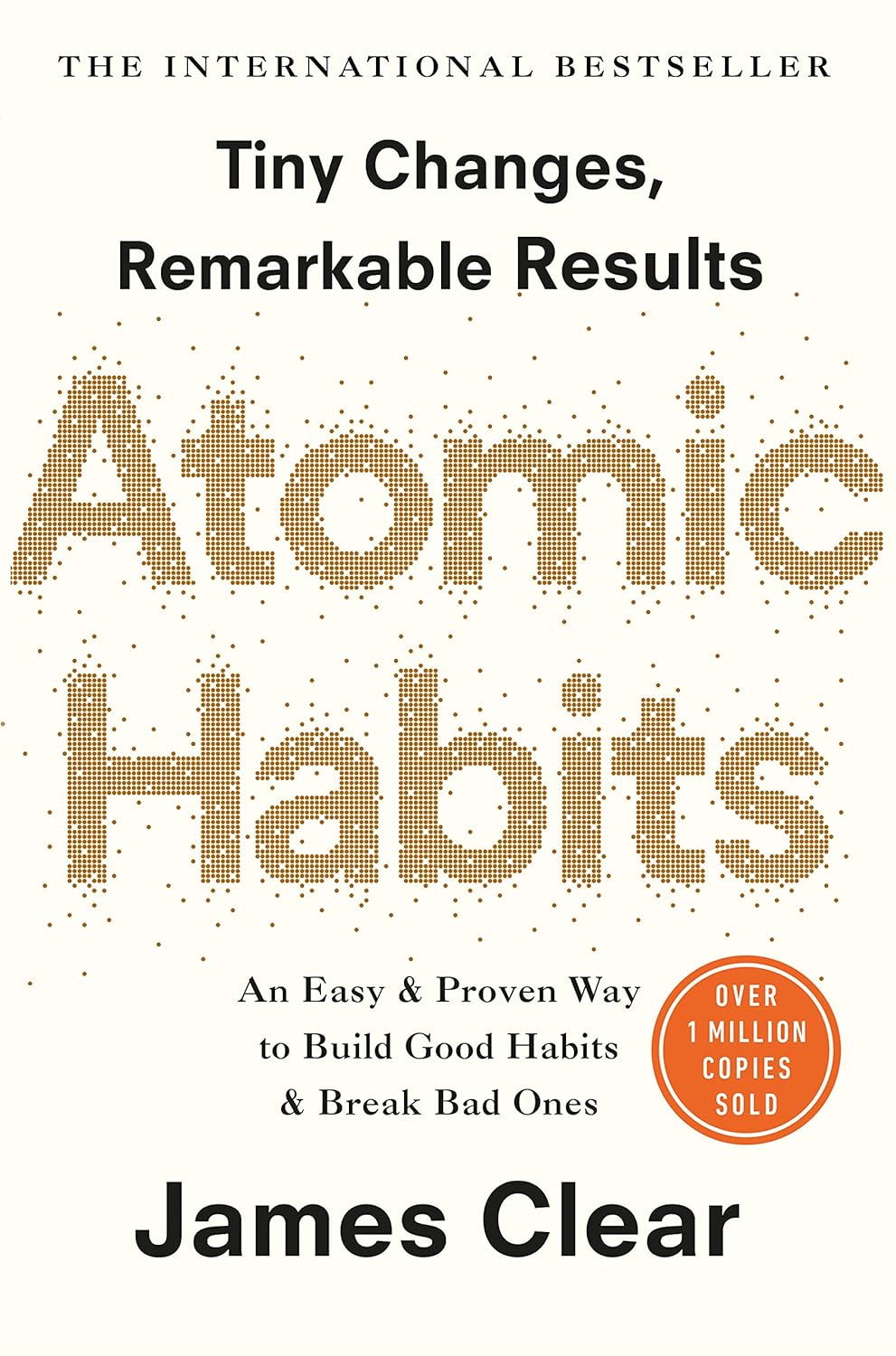
5. Atomic Habits (Finance Application)
Why It’s a Must-Listen
While not strictly a finance book, *Atomic Habits* earns its place on this list because its principles are incredibly powerful when applied to financial goals. Building wealth is largely about consistent, positive financial behaviors—saving regularly, investing consistently, avoiding impulsive spending. James Clear’s framework for building small, sustainable habits, narrated clearly by the author, provides the essential toolkit for making these crucial financial behaviors automatic and effortless.
Applying Core Concepts to Finance
Clear’s “Four Laws of Behavior Change” translate directly to financial success. **Make it Obvious:** Track your spending to become aware of financial leaks. Set up visual cues for saving goals. **Make it Attractive:** Pair saving with a reward (temptation bundling). Join communities focused on financial goals. Frame saving as freedom, not deprivation. **Make it Easy:** Automate savings and investments (like Ramit Sethi advises). Use apps that round up purchases. Reduce friction for positive actions. **Make it Satisfying:** Celebrate small financial wins. Use habit trackers for saving or debt payoff. Focus on the immediate satisfaction of progress, reinforcing the behavior. The book emphasizes identity change—becoming the *type* of person who saves or invests.
The Performance (Expert Analysis)
As detailed in the personal development list, James Clear’s narration is clear, calm, and authoritative. His steady delivery makes the practical strategies easy to understand and implement. Listening to his framework specifically with financial goals in mind allows the listener to immediately see the application.
The audiobook format is perfect for absorbing these actionable techniques. Clear’s voice is encouraging and instills confidence that small changes truly can lead to significant financial results over time. Because building wealth is a long game built on consistency, the principles in *Atomic Habits*, delivered effectively through Clear’s narration, are arguably as important as any specific investment strategy.
Who It’s For:
Anyone struggling to stick to a budget, save consistently, avoid debt, or build long-term investing habits. It provides the behavioral foundation necessary for financial success.
6. The Simple Path to Wealth: Your road map to financial independence and a rich, free life

Why It’s a Must-Listen
Born from a series of letters to his daughter, JL Collins’s book offers a refreshingly straightforward and powerful approach to investing and achieving financial independence. It cuts through the complexity often associated with investing, advocating a simple, low-cost index fund strategy. The audiobook features narration primarily by Collins himself, whose clear, paternal, and often humorous tone makes his compelling advice feel like wisdom shared by a trusted mentor.
The Core Concepts
Collins argues against trying to beat the market through stock picking or market timing. His core advice is remarkably simple: Spend less than you earn, invest the surplus, and avoid debt. For investing, he strongly advocates for low-cost, broad-based index funds (specifically VTSAX or equivalent ETFs). He explains concepts like asset allocation, the stages of wealth accumulation and preservation, the importance of avoiding fees, and why most people should ignore financial news and market fluctuations. It’s a philosophy focused on simplicity, discipline, and long-term perspective.
The Performance (Expert Analysis)
JL Collins’s narration is a key part of the audiobook’s appeal. His voice is clear, calm, and carries the reassuring confidence of someone who has successfully lived by these principles. He explains potentially intimidating investment concepts in simple, understandable language, often using helpful analogies. His slightly dry humor and occasional anecdotes add personality.
While not a professional narrator, his delivery is engaging and authentic. Hearing his conviction as he explains the power of index funds or warns against financial predators is highly effective. Cori Samuel narrates certain sections, providing a pleasant contrast. Overall, the narration feels like receiving sound, no-nonsense financial advice from a wise, experienced father figure, making the path to wealth feel achievable and straightforward. A cornerstone for the FIRE movement and practical finance.
Who It’s For:
Anyone seeking a simple, low-maintenance, and highly effective strategy for long-term investing and achieving financial independence. Particularly valuable for beginners intimidated by the stock market.
7. Your Money or Your Life: 9 Steps to Transforming Your Relationship with Money and Achieving Financial Independence

Why It’s a Must-Listen
A foundational text of the Financial Independence, Retire Early (FI/RE) movement, *Your Money or Your Life* offers a radical rethinking of our relationship with money, framing it not just as currency but as “life energy.” Co-author Vicki Robin narrates the updated edition, bringing a lifetime of experience and gentle wisdom to the book’s transformative 9-step program. Her calm, thoughtful delivery makes this philosophical yet practical guide deeply resonant.
The Core Concepts
The book encourages readers to calculate their *real* hourly wage (factoring in work-related expenses and commute time) and track every cent spent to understand how they are truly trading their limited life energy for material possessions. The 9 steps guide readers toward financial intelligence (understanding where money comes from and goes), financial integrity (aligning spending with values), and ultimately financial independence (having enough income from investments to cover expenses indefinitely). Key tools include tracking life energy, minimizing spending through conscious choices, maximizing income, and investing for passive income.
The Performance (Expert Analysis)
Vicki Robin’s narration feels like listening to a wise elder sharing profound truths. Her voice is calm, clear, and imbued with a gentle authority gained from decades of living and teaching these principles. She reads with a thoughtful pace, allowing the listener time to reflect on the often paradigm-shifting concepts, particularly the reframing of money as life energy.
Her delivery is encouraging and non-judgmental, guiding the listener through the practical steps with clarity. Hearing the co-author herself explain the philosophy and methodology adds significant weight and authenticity. While the material requires introspection and commitment, Robin’s soothing yet firm narration makes the journey feel supportive and achievable. It’s a performance that embodies the mindful, values-aligned approach to finance the book advocates. A classic in finance and thoughtful living, related to self-help.
Who It’s For:
Anyone seeking to redefine their relationship with money, gain control over their spending, align their finances with their values, or pursue financial independence.
8. Thinking, Fast and Slow (Finance Application)

Why It’s a Must-Listen
Understanding how our minds *actually* make decisions is crucial for financial success, as emotion and cognitive biases often sabotage rational planning and investing. Daniel Kahneman’s Nobel Prize-winning work on behavioral economics is essential reading (or listening) for anyone serious about finance. While dense, Patrick Egan’s clear, authoritative narration makes Kahneman’s groundbreaking insights into System 1 (fast, intuitive) and System 2 (slow, deliberate) thinking highly accessible in audio format.
Applying Core Concepts to Finance
Kahneman’s research directly explains many common financial mistakes. **Loss Aversion:** Why we feel the pain of a loss more than the pleasure of an equal gain, leading to holding onto losing investments too long. **Overconfidence:** Why we overestimate our ability to predict markets or pick stocks. **Anchoring:** How irrelevant numbers influence our perception of value. **Framing Effects:** How the presentation of financial information affects our choices. **Availability Heuristic:** Why recent market news disproportionately impacts our decisions. Understanding these biases is the first step toward mitigating their impact on investment strategies, risk assessment, and financial planning.
The Performance (Expert Analysis)
As noted for its inclusion in the personal development list, Patrick Egan’s narration excels at handling complex, research-heavy non-fiction. His clear diction, steady pace, and intelligent tone are perfect for conveying Kahneman’s detailed explanations of cognitive biases and psychological experiments.
Egan reads with an authority that builds trust in the material, ensuring that the listener can focus on understanding the often counterintuitive ways our minds work, particularly concerning risk and probability—concepts central to finance and investing. His professional delivery makes this challenging but profoundly important book manageable and engaging as an audiobook, allowing listeners to absorb Kahneman’s essential lessons for making more rational financial decisions.
Who It’s For:
Investors, financial professionals, and anyone seeking to understand the psychological pitfalls of financial decision-making and improve their own rationality. A foundational text in behavioral economics.
9. The Intelligent Investor: The Definitive Book on Value Investing

Why It’s a Must-Listen
Considered the bible of value investing by luminaries like Warren Buffett, Benjamin Graham’s *The Intelligent Investor* provides timeless principles for navigating the stock market with rationality and discipline. It’s a dense, classic text. This revised audiobook edition cleverly uses two narrators: Scott Lange reads Graham’s original text with appropriate gravitas, while financial journalist Jason Zweig reads his own updated commentary, providing modern context and examples. This structure makes Graham’s enduring wisdom highly accessible.
The Core Concepts
Graham distinguishes between “investing” (based on thorough analysis, promising safety of principal and an adequate return) and “speculating.” He introduces foundational concepts like “Mr. Market” (personifying the market’s irrational mood swings), the “Margin of Safety” (buying securities significantly below their intrinsic value), the importance of emotional discipline, asset allocation, and understanding financial statements. Zweig’s commentary bridges Graham’s principles (originally published in 1949) to contemporary markets, illustrating their continued relevance.
The Performance (Expert Analysis)
The dual-narrator approach is highly effective. Scott Lange reads Benjamin Graham’s original text with a clear, formal, and authoritative tone that suits the classic, somewhat academic style. His delivery ensures Graham’s foundational principles are presented with the weight they deserve.
Jason Zweig, reading his own insightful commentary that follows each chapter, provides a crucial modern bridge. His voice is more contemporary and conversational, clearly signaling the shift from Graham’s original text to modern application. Zweig explains how Graham’s ideas apply to recent market events, new investment products, and behavioral finance findings. This structure, alternating between the classic text and modern interpretation, brilliantly handled by both narrators, makes a potentially intimidating tome engaging and immensely practical for today’s investors. A cornerstone of any serious finance education.
Who It’s For:
Serious long-term investors, anyone interested in value investing principles, and those seeking a rational, disciplined approach to the stock market. A foundational text, made accessible through excellent narration and commentary.
10. A Random Walk Down Wall Street: The Time-Tested Strategy for Successful Investing

Why It’s a Must-Listen
Burton Malkiel’s influential classic is a comprehensive and accessible guide to investing, famously advocating for a passive approach using low-cost index funds based on the “random walk hypothesis” (the idea that stock price changes are unpredictable). It covers a wide range of investment topics. Narrator Tom Dheere delivers Malkiel’s insights with clarity, intelligence, and an engaging pace, making this essential guide to navigating Wall Street highly effective in audio format.
The Core Concepts
Malkiel argues that consistently beating the market is extremely difficult, if not impossible, for both individual and professional investors due to market efficiency. He provides a history of investment bubbles, critiques both technical and fundamental analysis, and makes a strong case for diversification and long-term investing through low-cost, broad-market index funds or ETFs. The book also covers asset allocation based on life stages, behavioral finance pitfalls, and provides practical advice for building a diversified portfolio.
The Performance (Expert Analysis)
Tom Dheere provides a clear, professional, and highly competent narration for Malkiel’s comprehensive guide. His voice is articulate and pleasant, with a neutral American accent suitable for delivering financial information. He reads with an engaging pace that keeps the listener focused while ensuring the often detailed explanations of investment vehicles, theories, and historical examples are easy to comprehend.
Dheere handles the statistical information and financial terminology smoothly, conveying a sense of authority without sounding overly academic. He effectively captures Malkiel’s rational, evidence-based tone. While not as dynamic as some author narrations, Dheere’s reliable and clear delivery is ideal for a book focused on imparting practical investment knowledge. His performance ensures that Malkiel’s time-tested strategy is communicated effectively and accessibly. A key text for passive investing strategies in finance.
Who It’s For:
Individual investors (both beginners and experienced) seeking a comprehensive, evidence-based guide to long-term investing strategy, particularly those interested in index funds and passive investing.
Explore More: Expand Your Knowledge Base
Mastering your finances is a key step towards a better life. Continue your journey of learning and growth by exploring related topics or diving into entirely different worlds through our other expertly curated audiobook lists:
- Best Personal Development Audiobooks
- Best Self-Help Audiobooks
- Best Business Audiobooks
- Best Non-Fiction Audiobooks (Overall)
- Best Biography & Memoir Audiobooks
- Best History Audiobooks
- Best Fiction Audiobooks
- Best Thriller Audiobooks
- Best Mystery Audiobooks
- Best Fantasy Audiobooks
- Best Romance Audiobooks
- Best Teen Audiobooks
- Best Children’s Audiobooks
How We Chose These Finance Audiobooks (Our EEAT Commitment)
Selecting the best finance audiobooks requires a focus on credible advice, actionable strategies, and clear communication. Our team combined financial literacy knowledge with extensive listening experience (Experience) and a structured evaluation prioritizing accuracy, impact, and narrator clarity (Expertise). Our rankings are independent and aim to provide trustworthy guidance for your financial education.
- Content Quality & Credibility (50%):** The financial advice must be sound, well-reasoned, and ideally supported by evidence or significant real-world experience. We prioritized foundational texts, works by recognized experts (economists, successful investors, certified planners), and strategies with a proven track record. Author credibility and the book’s influence (**Authoritativeness**) were key factors.
- Narrator Performance & Clarity (40%): Crucial for potentially complex or dry material. Is the narration clear, engaging, and easy to understand? Does the narrator handle financial jargon effectively? For author-narrated works, does their voice convey authenticity and conviction? We selected performances that make financial concepts accessible and motivating.
- Actionability & Relevance (10%): While mindset books are included, we favored titles offering practical, actionable steps or frameworks relevant to modern personal finance and investing for a U.S. audience.
- **Trustworthiness (Combined within criteria):** We prioritize works from reputable authors and publishers, bestsellers with enduring popularity, and titles widely recommended by credible financial educators. Listener feedback regarding both the advice’s effectiveness and the narration quality also contributes to establishing trust. We explicitly avoid promoting get-rich-quick schemes or unsubstantiated claims.
Frequently Asked Questions About Finance Audiobooks
Can I really learn about finance effectively through audiobooks?
Yes, absolutely! Audiobooks are an excellent way to learn about finance, especially for busy people. They make complex topics more accessible through clear narration and allow you to absorb information while commuting, exercising, or doing chores. Many find that hearing concepts explained vocally aids understanding and retention compared to reading dense text.
Is it better if the finance author narrates their own book?
It can be very effective, especially for authors with strong personalities and proven systems (like Dave Ramsey or Ramit Sethi). Their passion and conviction can be highly motivating. However, for more technical or academic books (like *The Intelligent Investor* or *Thinking, Fast and Slow*), a skilled professional narrator often provides superior clarity, pacing, and vocal endurance, making complex information easier to digest.
What’s the difference between personal finance and investing audiobooks?
Personal finance audiobooks (like *The Total Money Makeover*, *I Will Teach You To Be Rich*, *Your Money or Your Life*) generally cover the broader picture: budgeting, saving, debt management, insurance, and overall financial planning. Investing audiobooks (like *The Simple Path to Wealth*, *The Intelligent Investor*, *A Random Walk Down Wall Street*) focus specifically on strategies for growing wealth through assets like stocks, bonds, and real estate.
Where can I find these essential finance audiobooks?
All the valuable titles on this list are available on **Amazon’s Audible platform**. Audible offers the most comprehensive selection of finance and investing audiobooks for U.S. listeners. You can purchase them individually or use a monthly membership credit, which is often the most cost-effective way to access these important educational resources.
Investing in your financial knowledge pays the best interest. These audiobooks offer invaluable guidance from trusted experts, delivered clearly and engagingly. Choose your starting point and begin building a more secure financial future today. Happy listening and prospering!