
History isn’t just a collection of dates and facts; it’s the grand, complex, often tumultuous story of humanity itself. While reading history allows for deep analysis, listening to it can offer a uniquely immersive and engaging experience. A skilled narrator can transform dense historical accounts into compelling narratives, bringing figures from the past vividly to life and making complex events understandable and resonant.
As an avid listener with a deep appreciation for historical narratives, I’ve found that the right audiobook can make history accessible in ways print sometimes cannot. It allows us to absorb vast sweeps of time during commutes, connect emotionally with figures across centuries during workouts, and understand pivotal moments while going about our daily lives. The narrator becomes our guide through time, their voice painting landscapes, embodying characters, and conveying the weight and drama of historical events.
However, the challenge with history audiobooks is significant. The material can be dense, filled with unfamiliar names, complex chronologies, and nuanced arguments. A poor narration—monotone, rushed, or lacking authority—can quickly turn a fascinating subject into a tedious lecture. Conversely, a great narrator brings clarity, engagement, and the appropriate gravitas, making the past feel immediate and relevant.
Leveraging our expertise and countless hours exploring the archives of audio history, we’ve curated this list of the 10 best history audiobooks. We prioritized works of significant historical scholarship combined with exceptional narration that illuminates the subject matter. From epic accounts of civilizations and wars to intimate explorations of specific moments and individuals, these audiobooks represent the pinnacle of historical storytelling in audio format. Prepare to journey through time.
Our Top 10 History Audiobooks
| Rank | Title | Author | Focus Area / Era | Narrator(s) |
|---|---|---|---|---|
| 1 | Sapiens: A Brief History of Humankind | Yuval Noah Harari | Big History / Anthropology | Derek Perkins |
| 2 | The Splendid and the Vile | Erik Larson | WWII / Britain / Leadership | John Lee |
| 3 | 1776 | David McCullough | American Revolution | David McCullough |
| 4 | Unbroken | Laura Hillenbrand | WWII / Survival / Biography | Edward Herrmann |
| 5 | Say Nothing | Patrick Radden Keefe | The Troubles / Investigative | Matthew Blaney |
| 6 | The Warmth of Other Suns | Isabel Wilkerson | Great Migration / American History | Robin Miles |
| 7 | The Devil in the White City | Erik Larson | American History / True Crime | Scott Brick |
| 8 | Guns, Germs, and Steel | Jared Diamond | Big History / Geography / Society | Doug Ordunio |
| 9 | Endurance: Shackleton’s Incredible Voyage | Alfred Lansing | Exploration / Survival | Simon Prebble |
| 10 | SPQR: A History of Ancient Rome | Mary Beard | Ancient History / Rome | Phyllida Nash |
The 10 Best History Audiobooks: A Detailed Review
1. Sapiens: A Brief History of Humankind

Why It’s a Must-Listen
Yuval Noah Harari’s *Sapiens* offers a breathtakingly ambitious and provocative sweep through the entire history of our species, challenging many fundamental assumptions about humanity’s past, present, and future. Tackling such vast and complex ideas requires exceptional clarity, which is precisely what narrator Derek Perkins delivers. His intelligent, engaging, and authoritative performance makes this potentially daunting intellectual journey accessible and utterly fascinating in audio format.
The Subject Matter
Harari traces the journey of *Homo sapiens* from an insignificant primate 70,000 years ago to the dominant force shaping the planet today. He structures this narrative around three major revolutions: the Cognitive Revolution (the emergence of complex language and fictive thought), the Agricultural Revolution (the shift to farming and its consequences), and the Scientific Revolution (the modern era of discovery and technological advancement). Along the way, he explores the development of money, religion, empires, capitalism, and human happiness, weaving together insights from biology, anthropology, economics, and philosophy.
The Performance (Expert Analysis)
Derek Perkins provides a masterclass in narrating complex non-fiction. His voice is clear, articulate, and possesses a pleasant British accent that lends an air of scholarly credibility without sounding detached. He navigates Harari’s dense prose, challenging concepts, and vast timeline with remarkable skill and confidence.
Perkins maintains an engaging pace throughout, keeping the grand narrative flowing while ensuring the listener has time to absorb the often paradigm-shifting ideas. He uses subtle inflection to highlight Harari’s key arguments, occasional humor, and more provocative points, preventing the material from ever feeling dry. Listening to Perkins feels like receiving a brilliant, well-structured lecture from a world-class historian and philosopher. He transforms a challenging read into an enlightening and thoroughly enjoyable audio experience. This is a key title bridging our History and Non-Fiction lists.
Who It’s For:
Anyone interested in big-picture history, anthropology, the evolution of human societies, and provocative ideas that challenge conventional thinking. A truly mind-expanding listen.
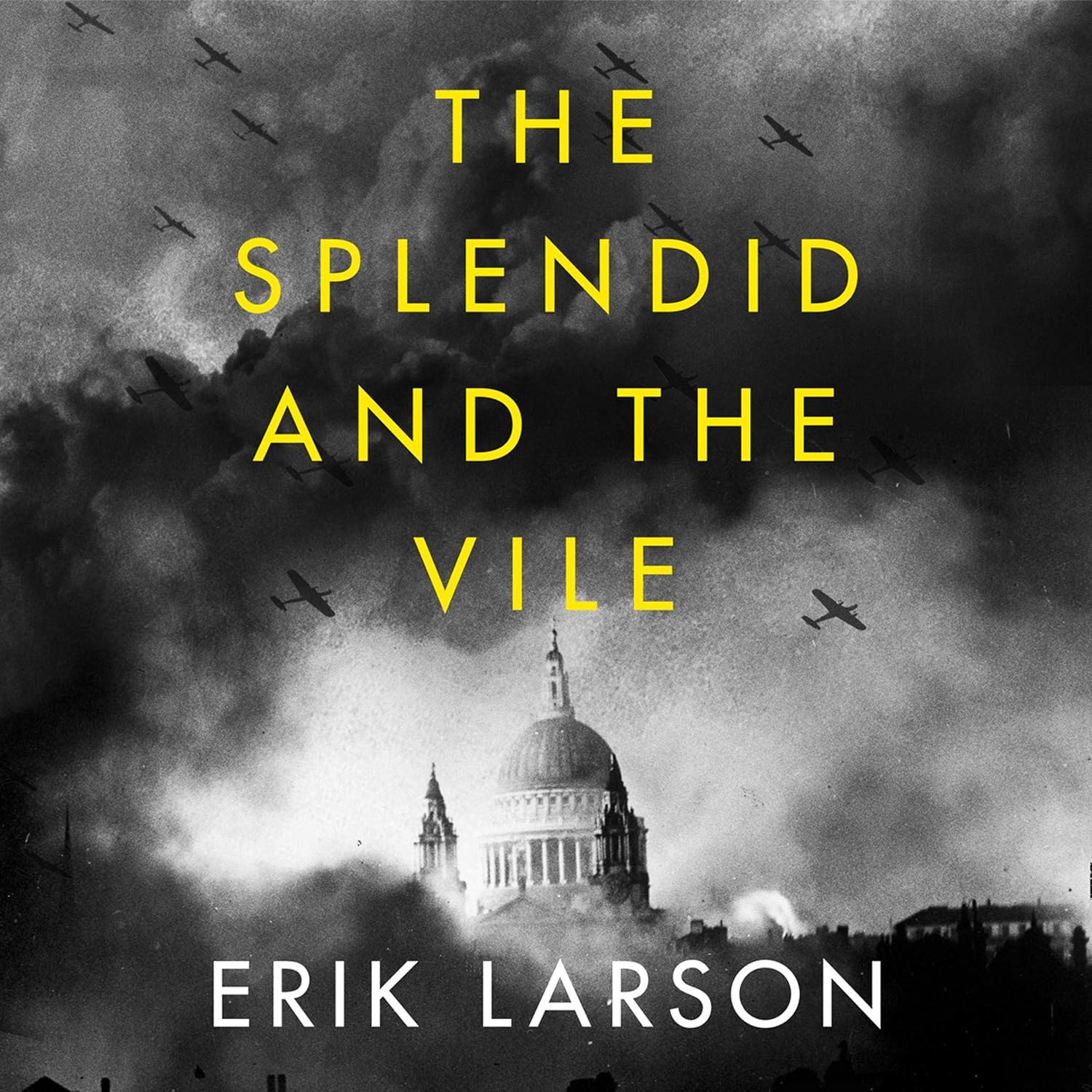
2. The Splendid and the Vile: A Saga of Churchill, Family, and Defiance During the Blitz
Why It’s a Must-Listen
Erik Larson is a master of immersive narrative history, bringing specific moments in time to life with novelistic detail. *The Splendid and the Vile* focuses on Winston Churchill’s first year as Prime Minister, during the harrowing Blitz. The audiobook, narrated by the acclaimed John Lee, is a perfect pairing. Lee’s rich voice and superb command of tone capture both the gravity of the historical moment and the intimate, personal dramas unfolding around Churchill.
The Subject Matter
The book covers May 1940 to May 1941, arguably Britain’s darkest hour. Larson focuses on Churchill’s leadership as he strives to unite the nation against the Nazi bombing campaign, persuade President Roosevelt to join the war, and navigate the political and personal challenges of his role. Crucially, Larson uses diaries, letters, and archival documents to paint an intimate portrait not just of Churchill, but also of his family (his wife Clementine, daughter Mary, son Randolph) and close advisors, showing how ordinary life—love, loss, socializing—persisted even under constant bombardment.
The Performance (Expert Analysis)
John Lee is one of the most respected narrators of historical non-fiction, and his performance here is exceptional. His voice has a deep, resonant quality and a refined British accent that perfectly suits the subject matter and era. He reads Larson’s evocative prose with intelligence and a keen sense of drama, bringing the tension of the Blitz and the weight of Churchill’s decisions vividly to life.
Lee masterfully navigates the shifts between grand historical events and intimate personal moments. He subtly adjusts his tone for different figures without doing overt impersonations, capturing Churchill’s famous growl, the anxieties of ordinary Londoners, and the observations recorded in diaries. His pacing is excellent, building suspense during air raids and allowing poignant moments to land. Listening to Lee feels like being guided through this critical year by a knowledgeable and deeply engaging historian. A standout in WWII history.
Who It’s For:
Fans of narrative history, WWII buffs, admirers of Winston Churchill, and anyone interested in leadership during crisis. An immersive and deeply human look at a pivotal moment.
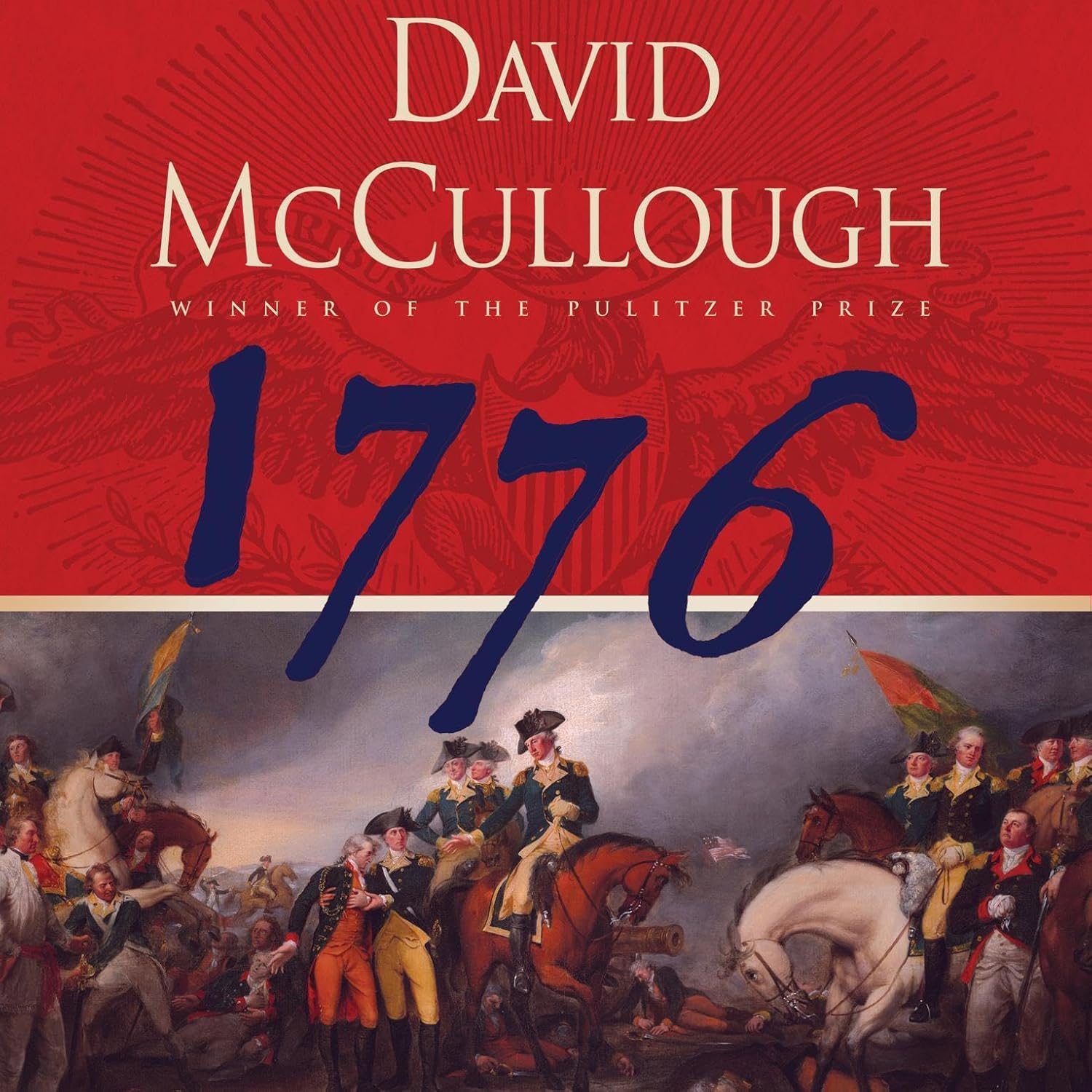
3. 1776
Why It’s a Must-Listen
David McCullough was not only a Pulitzer Prize-winning historian but also a beloved narrator of his own works and numerous documentaries. His audiobook recording of *1776*, his gripping account of the pivotal first year of the American Revolution, is a national treasure. McCullough’s warm, familiar, and deeply knowledgeable voice brings the struggles and triumphs of George Washington and the Continental Army to life with unparalleled passion and clarity.
The Subject Matter
Focusing intensely on the year 1776, McCullough chronicles the dramatic military campaigns surrounding the siege of Boston, the catastrophic defeat in New York, and Washington’s desperate, near-miraculous retreat across New Jersey, culminating in the crucial victories at Trenton and Princeton. He paints vivid portraits of the key figures—Washington, Nathanael Greene, Henry Knox, King George III, British General Howe—and provides a visceral sense of the hardships faced by the ragtag Continental soldiers. It’s a story of resilience, leadership, and the improbable birth of a nation.
The Performance (Expert Analysis)
Listening to David McCullough narrate his own history is a unique pleasure. His voice is instantly recognizable—warm, avuncular, and filled with a genuine passion for American history. He reads his own impeccably crafted prose with a storyteller’s cadence, making complex military maneuvers and political contexts clear and engaging.
His deep knowledge of the subject matter shines through; you feel like you’re learning directly from the master historian himself. He conveys the drama and significance of events like the crossing of the Delaware with understated power. While not a voice actor performing different characters, his ability to modulate his tone to reflect the gravity, desperation, or occasional humor of the moment is highly effective. It’s a performance that feels both authoritative and deeply personal, making this crucial year in American history accessible and inspiring.
Who It’s For:
Anyone interested in the American Revolution, military history, George Washington, or simply masterful historical storytelling. A perfect listen for understanding the nation’s founding struggles.
4. Unbroken: A World War II Story of Survival, Resilience, and Redemption

Why It’s a Must-Listen
Laura Hillenbrand’s extraordinary biography of Louis Zamperini is a testament to meticulous research and breathtaking storytelling. It recounts an almost unbelievable saga of survival during World War II. The audiobook, narrated by the late, beloved actor Edward Herrmann, is a perfect match. Herrmann’s warm, dignified, and deeply empathetic voice guides the listener through Zamperini’s incredible journey with grace, gravitas, and profound humanity.
The Subject Matter
*Unbroken* traces the remarkable life of Louis Zamperini: a troubled youth who channeled his energy into becoming an Olympic runner, competing in the 1936 Berlin games. During WWII, he served as an Army Air Corps bombardier. His plane crashed in the Pacific, leaving him adrift on a raft for a record 47 days, enduring starvation, shark attacks, and enemy planes, only to be captured by the Japanese Navy. He then spent years in brutal prisoner-of-war camps, targeted by a sadistic guard. It’s an epic narrative of human endurance against unimaginable odds.
The Performance (Expert Analysis)
Edward Herrmann’s narration is masterful. His voice possesses a timeless, comforting quality, both authoritative and deeply kind. He reads Hillenbrand’s vivid, detailed prose with exceptional clarity and a perfectly modulated pace, bringing the thrilling highs of Zamperini’s running career, the harrowing desperation of his time adrift, and the grim brutality of the POW camps to life.
Herrmann maintains a sense of dignity and respect for the subject matter throughout, even during the most horrific moments. He doesn’t need to resort to overly dramatic effects; the power of the story combined with his steady, empathetic delivery is more than enough to keep the listener utterly gripped. His performance provides a comforting, trustworthy guide through an often harrowing but ultimately inspiring tale of resilience. It’s a classic of both history and biography.
Who It’s For:
Fans of epic survival stories, WWII history, inspirational biographies, and deeply researched narrative non-fiction. An unforgettable story delivered by a truly great narrator.
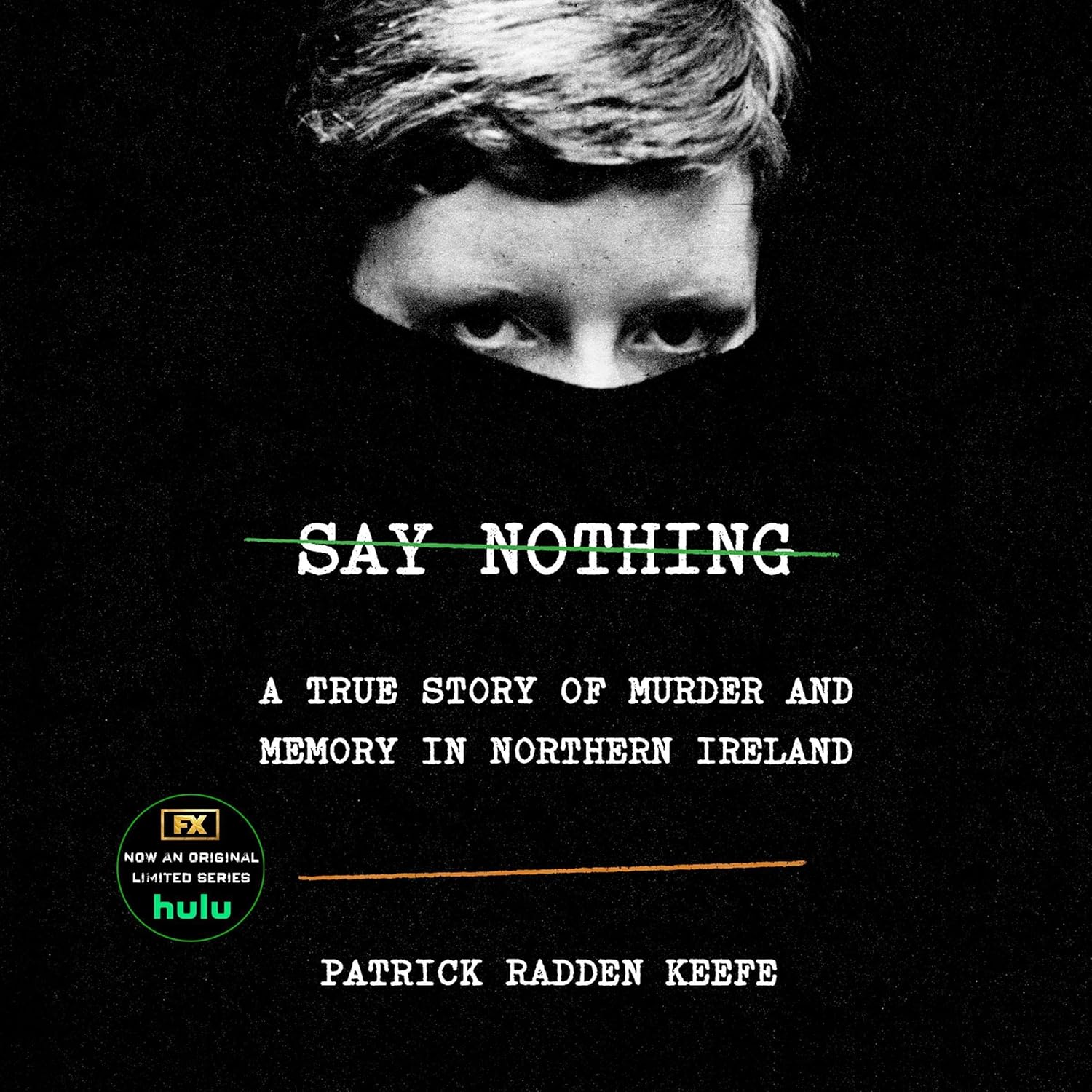
5. Say Nothing: A True Story of Murder and Memory in Northern Ireland
Why It’s a Must-Listen
Patrick Radden Keefe’s gripping investigation into the disappearance of Jean McConville during the Troubles in Northern Ireland is a masterpiece of narrative non-fiction, blending true crime with deep historical context. Narrator Matthew Blaney delivers an outstanding performance, navigating the complex web of characters, history, and moral ambiguity with clarity, sensitivity, and an authentic sense of place.
The Subject Matter
Using the 1972 abduction and murder of Jean McConville, a widowed mother of ten, as a central thread, Keefe delves into the brutal realities of the Northern Ireland conflict. He profiles key figures within the IRA, including the charismatic Dolours Price and the hardened Brendan Hughes, as well as Gerry Adams. The book explores themes of memory, loyalty, betrayal, and the lingering trauma of violence through meticulous research and compelling storytelling, revealing the devastating human consequences of a protracted political struggle.
The Performance (Expert Analysis)
Matthew Blaney’s narration is perfectly attuned to Keefe’s intricate and often somber narrative. His clear, steady voice, enhanced by a subtle but authentic Northern Irish accent, immediately grounds the listener in the story’s setting. He expertly handles the complex cast of characters, the historical exposition, and the Irish names and acronyms with confidence and clarity.
Blaney maintains a tone that is serious and respectful, reflecting the gravity of the events, yet he keeps the narrative compelling and forward-moving. He uses slight vocal shifts for dialogue, effectively conveying the personalities of the individuals involved—from hardened revolutionaries to grieving family members—without resorting to dramatic impersonations. His performance is intelligent, atmospheric, and deeply engaging, allowing Keefe’s powerful investigation and nuanced storytelling to resonate fully. This bridges history with mystery and thriller elements.
Who It’s For:
Readers interested in modern history, true crime, investigative journalism, the Troubles, or complex political conflicts. A gripping, informative, and masterfully narrated account.
6. The Warmth of Other Suns: The Epic Story of America’s Great Migration

Why It’s a Must-Listen
Isabel Wilkerson’s Pulitzer Prize-winning masterpiece chronicles the Great Migration—the decades-long exodus of nearly six million Black citizens from the Jim Crow South to northern and western cities. It’s an epic, vital piece of American history told through meticulous research and intimate portraits. Narrator Robin Miles delivers a performance of incredible scope and empathy, bringing both the grand historical narrative and the deeply personal stories to life with grace and power.
The Subject Matter
Wilkerson tells this sweeping story primarily through the lives of three individuals: Ida Mae Brandon Gladney, who left Mississippi sharecropping for Chicago in the 1930s; George Swanson Starling, who fled Florida citrus groves for Harlem in the 1940s after demanding better wages; and Robert Joseph Pershing Foster, a driven surgeon who journeyed from Louisiana to California in the 1950s. Their experiences illuminate the hopes, struggles, triumphs, and disappointments faced by millions seeking freedom and opportunity, profoundly reshaping American culture and demographics.
The Performance (Expert Analysis)
Robin Miles is a highly acclaimed narrator, particularly adept at handling complex historical narratives and embodying diverse voices. Her performance here is magnificent. Her voice is warm, intelligent, and possesses a gravitas perfectly suited to the epic scale and historical significance of Wilkerson’s work. She reads the main narrative with clarity and compelling pacing.
Where Miles truly excels is in bringing Ida Mae, George, and Robert to life. She subtly adjusts her cadence, tone, and accent to reflect their origins, personalities, and evolving experiences over decades. She conveys their hopes, fears, determination, and heartbreak with profound empathy, making their individual journeys deeply moving. Miles navigates the extensive research and historical context smoothly, ensuring the listener understands both the micro and macro aspects of this crucial migration. It’s an essential piece of American history, beautifully rendered.
Who It’s For:
Anyone interested in American history, African American history, civil rights, social history, or powerful narrative non-fiction told through personal stories. A monumental work, expertly narrated.
7. The Devil in the White City: Murder, Magic, and Madness at the Fair That Changed America

Why It’s a Must-Listen
Erik Larson’s breakout bestseller masterfully intertwines two astonishing true stories set against the backdrop of the 1893 Chicago World’s Fair: the architectural triumph of building the fair itself and the chilling saga of H.H. Holmes, America’s first infamous serial killer. The audiobook, narrated by the prolific and popular Scott Brick, captures the Gilded Age atmosphere, the dazzling spectacle, and the sinister undertones with compelling energy and suspense.
The Subject Matter
Larson alternates between two narratives. One follows Daniel Burnham, the brilliant architect tasked with designing and constructing the massive, seemingly impossible “White City” for the World’s Columbian Exposition under immense pressure. The other tracks Dr. H. H. Holmes, a charismatic and cunning physician who built a labyrinthine “Murder Castle” near the fairgrounds, luring unsuspecting victims (often young women drawn to the fair) to their deaths. Larson juxtaposes the era’s soaring ambition and technological marvels with its hidden darkness and dangers.
The Performance (Expert Analysis)
Scott Brick is a veteran narrator known for his engaging, slightly urgent delivery, which works exceptionally well for narrative non-fiction like Larson’s. His voice is clear, confident, and possesses a natural storytelling cadence that pulls the listener in. He effectively conveys the excitement and immense challenges faced by Burnham and his team in building the fair.
Crucially, Brick excels at building suspense in the H.H. Holmes sections. He adopts a slightly cooler, more measured tone when describing Holmes’s manipulations and crimes, creating a palpable sense of unease without resorting to melodrama. He navigates the historical details, architectural descriptions, and the shifts between the two narratives smoothly, keeping the listener oriented and engaged. Brick’s performance enhances the inherent drama and historical richness of Larson’s book, making it a gripping listen. This blends history with elements of thriller and mystery.
Who It’s For:
Fans of narrative history, true crime, American history (especially the Gilded Age), and meticulously researched, suspenseful non-fiction. A fascinating and often chilling journey.
8. Guns, Germs, and Steel: The Fates of Human Societies

Why It’s a Must-Listen
Jared Diamond’s Pulitzer Prize-winning exploration of why different human societies developed at vastly different rates across continents is a landmark work of “big history.” It tackles enormous questions with a multidisciplinary approach. The audiobook, narrated by Doug Ordunio, delivers Diamond’s complex arguments and vast scope with clarity and an engaging, scholarly tone, making this intellectually ambitious work highly accessible.
The Subject Matter
Diamond seeks to answer the question posed by a New Guinean politician: “Why you white people developed so much cargo and brought it to New Guinea, but we black people had little cargo of our own?” Rejecting racist explanations, Diamond argues that geographical and environmental factors—differences in wild plants and animals available for domestication, continental axes orientation influencing the spread of agriculture and technology, and the differential impact of infectious diseases (germs)—ultimately determined the “fates of human societies” and led to the global inequalities observed in modern times (guns and steel).
The Performance (Expert Analysis)
Doug Ordunio provides an excellent narration for this challenging but rewarding book. His voice is clear, intelligent, and well-modulated, striking a perfect balance between academic authority and engaging storytelling. He reads Diamond’s detailed explanations of geography, biology, linguistics, and archaeology with precision and clarity, making complex interdisciplinary arguments easy to follow.
Ordunio maintains a steady, engaging pace throughout the 18-hour length, ensuring the listener remains focused as Diamond builds his case across continents and millennia. He handles the numerous place names, species, and scientific terms confidently. While the material itself is dense, Ordunio’s professional and articulate delivery prevents it from feeling overwhelming. It’s a performance that respects the intellectual weight of the book while making its groundbreaking ideas accessible to a broad audience. A foundational text for Big History.
Who It’s For:
Anyone interested in broad-sweep history, geography, anthropology, the factors shaping societal development, and understanding the deep roots of global inequality. A challenging but profoundly insightful listen.
9. Endurance: Shackleton’s Incredible Voyage

Why It’s a Must-Listen
Alfred Lansing’s definitive account of Sir Ernest Shackleton’s harrowing 1914 Antarctic expedition is one of the greatest survival stories ever told. Based on interviews with survivors and meticulous use of diaries, it’s a masterpiece of non-fiction narrative. The audiobook, narrated by the superb Simon Prebble, captures the chilling atmosphere, the unbelievable hardship, and the extraordinary leadership of Shackleton with gripping intensity and impeccable clarity.
The Subject Matter
In 1914, Shackleton and his crew set sail on the *Endurance* aiming to be the first to cross Antarctica on foot. Before they even reached the continent, their ship became trapped and eventually crushed by pack ice in the Weddell Sea. What followed was an almost two-year ordeal: the crew survived on drifting ice floes, then undertook a perilous open-boat journey across the treacherous Southern Ocean in small lifeboats, culminating in Shackleton and a small team making a desperate trek across the mountainous island of South Georgia to reach a whaling station and organize a rescue for the men left behind. It’s an unparalleled story of leadership and human endurance.
The Performance (Expert Analysis)
Simon Prebble is a legend among audiobook narrators, particularly for historical non-fiction, and his performance here is outstanding. His voice is clear, refined, and possesses a classic British quality that perfectly suits the era and the subject matter. He reads Lansing’s gripping prose with a steady, compelling pace that builds suspense without being overly dramatic.
Prebble masterfully conveys the brutal conditions—the biting cold, the gnawing hunger, the constant danger—while also highlighting the camaraderie, the psychological strain, and Shackleton’s remarkable ability to maintain morale against impossible odds. He handles the nautical terms and the numerous crew members’ perspectives with clarity. Listening to Prebble recount this incredible voyage feels like hearing an epic tale told by a master storyteller, making this historical ordeal feel immediate and profoundly moving. A true adventure in history.
Who It’s For:
Fans of adventure and exploration stories, survival narratives, maritime history, and inspirational leadership. An absolutely riveting account of human resilience.
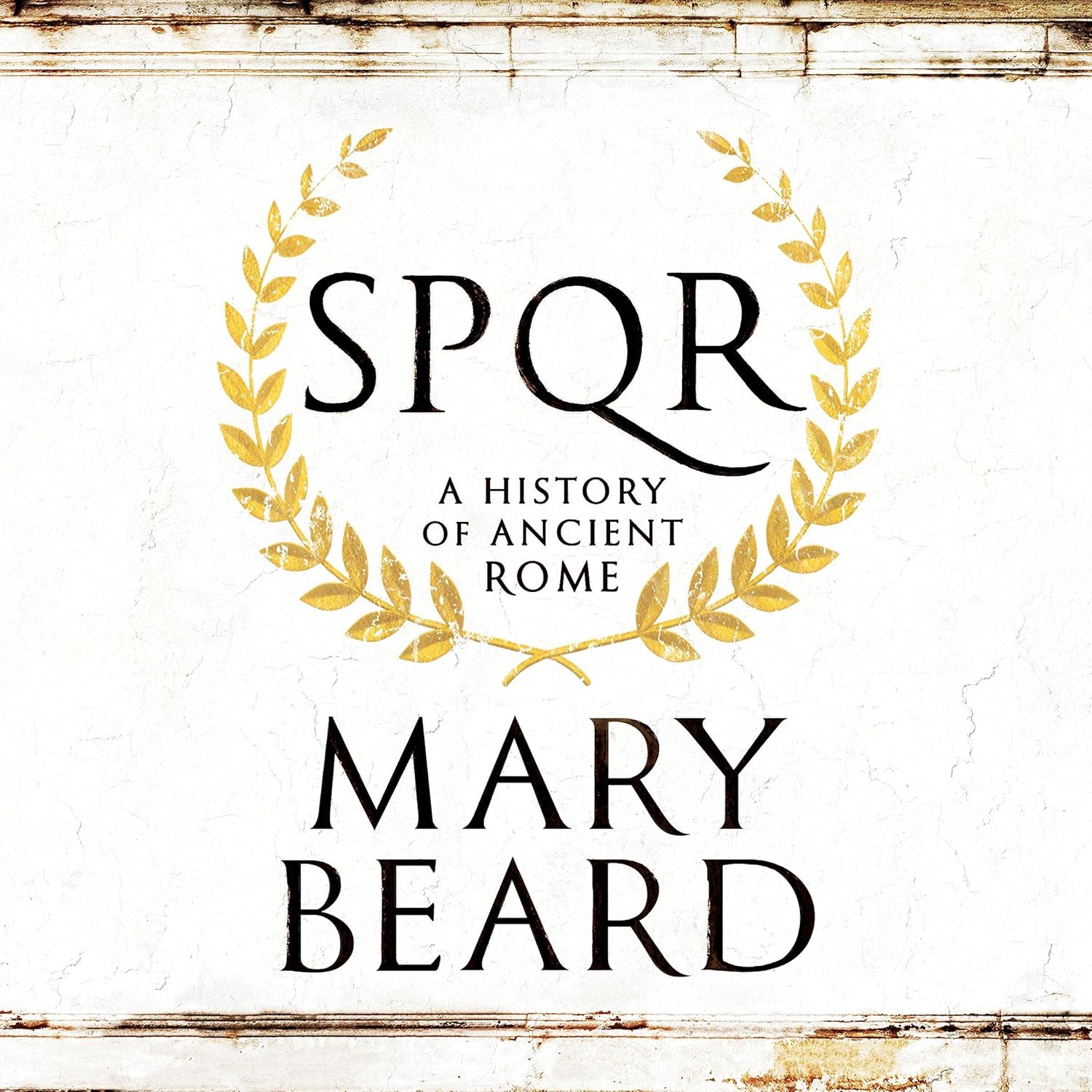
10. SPQR: A History of Ancient Rome
Why It’s a Must-Listen
Mary Beard, one of the world’s foremost classicists, offers a fresh, insightful, and remarkably engaging history of ancient Rome, from its mythical beginnings to Emperor Caracalla’s granting of citizenship to all free inhabitants in 212 CE. This comprehensive yet accessible work is brought expertly to audio by narrator Phyllida Nash, whose clear, intelligent, and engaging delivery makes Rome’s complex history captivating.
The Subject Matter
*SPQR* (Senatus Populusque Romanus: The Senate and People of Rome) challenges traditional narratives and explores how a small, insignificant village grew into a vast empire dominating the Mediterranean world. Beard examines not just emperors and battles, but also the lives of ordinary Romans, slaves, women, and provincials. She delves into Roman politics, culture, social structures, and debates, questioning sources and highlighting ambiguities to provide a nuanced understanding of Rome’s rise and its enduring legacy.
The Performance (Expert Analysis)
Phyllida Nash provides an excellent narration that perfectly complements Mary Beard’s scholarly yet accessible writing style. Her voice is clear, well-paced, and possesses a refined British accent that lends an air of academic authority without being dry. She reads with evident intelligence, navigating the numerous Latin names, complex political developments, and historical debates with confidence and clarity.
Nash effectively conveys Beard’s engaging tone—her occasional wry humor, her questioning of traditional assumptions, and her focus on the human element within the grand narrative. She maintains listener interest throughout the substantial length, ensuring that the journey through centuries of Roman history remains compelling. It’s a performance that makes complex ancient history feel vibrant and relevant, like attending a series of fascinating lectures by a leading expert.
Who It’s For:
Anyone interested in ancient Rome, classical history, the rise and fall of empires, or simply a well-told, comprehensive historical narrative. An excellent modern account of a foundational civilization.
Explore More: Journey Through Different Narratives
History provides context for everything. Once you’ve explored these pivotal moments and lives, consider diving into other genres that illuminate the human experience, offer practical knowledge, or provide thrilling escapes. Find your next audio adventure here:
- Best Non-Fiction Audiobooks (Overall)
- Best Biography & Memoir Audiobooks
- Best Fiction Audiobooks
- Best Thriller Audiobooks
- Best Mystery Audiobooks
- Best Fantasy Audiobooks
- Best Romance Audiobooks
- Best Personal Development Audiobooks
- Best Self-Help Audiobooks
- Best Business Audiobooks
- Best Finance Audiobooks
- Best Teen Audiobooks
- Best Children’s Audiobooks
How We Chose These History Audiobooks (Our EEAT Commitment)
Selecting the best history audiobooks demands a balance between scholarly rigor and narrative engagement, especially in the audio format. Our team drew upon extensive listening across historical subgenres (Experience) combined with a structured evaluation focused on historical significance, storytelling quality, and narrator performance (Expertise). Our rankings are independent and prioritize accuracy, clarity, and an immersive listening experience.
- Narrator Performance & Clarity (50%):** Absolutely crucial for history. Can the narrator handle complex names, dates, and dense information clearly? Does their voice convey appropriate authority and engagement without being dry? Can they sustain listener interest over long durations? We selected performances that make history accessible and compelling.
- Historical Significance & Scholarship (30%): The book must represent significant historical research and offer valuable insights into its subject matter. Works by acclaimed historians or those based on meticulous primary source research (**Authoritativeness**) were prioritized.
- Narrative Quality & Engagement (10%): Beyond facts, the book needs a compelling narrative structure. Does the author weave events and figures into an engaging story? Does the audio format enhance this storytelling?
- **Trustworthiness & Production Value (10%):** We favor critically acclaimed works, award winners (Pulitzer, National Book Award, etc.), and titles widely respected within the historical field. Clean, professional audio production is also essential for a trustworthy and enjoyable listening experience.
Frequently Asked Questions About History Audiobooks
What makes a good narrator for a history audiobook?
A great history narrator needs exceptional clarity, stamina, and authority. They must pronounce complex names and places confidently and correctly. Their pacing needs to be steady enough to allow comprehension of dense information but engaging enough to maintain interest. An intelligent, authoritative, yet pleasant tone is ideal. Narrators like Derek Perkins, John Lee, Simon Prebble, and the historians who narrate their own work like David McCullough excel in this genre.
Is it better when the historian narrates their own book?
It can be wonderful, adding unparalleled passion and authority, as with David McCullough narrating *1776*. However, not all historians are skilled narrators. Sometimes, a professional voice actor with experience in non-fiction (like Derek Perkins for *Sapiens* or Edward Herrmann for *Unbroken*) can provide superior clarity, pacing, and vocal endurance, making complex material more accessible and enjoyable over many hours.
Are history audiobooks good for learning?
Yes, extremely! Audiobooks make history accessible during times when reading isn’t possible (like commuting). A skilled narrator can bring historical figures and events to life, making them more memorable. They can also help listeners navigate complex narratives and dense research more easily than struggling through the text alone. Many find that listening enhances their understanding and retention of historical information.
Where can I find these essential history audiobooks?
All the significant historical accounts on this list are available on Amazon’s Audible platform. Audible offers an extensive collection covering all eras and regions of history for U.S. listeners. You can purchase them individually or use a monthly membership credit, which is typically the most economical way to access these comprehensive and enlightening works.
The past is prologue, and understanding it has never been more accessible or engaging. We hope this list inspires you to explore pivotal moments and remarkable lives through the power of audio. Happy listening and learning!